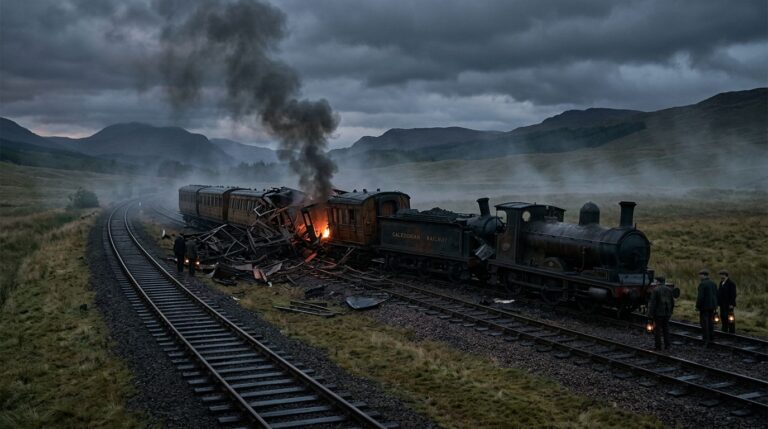

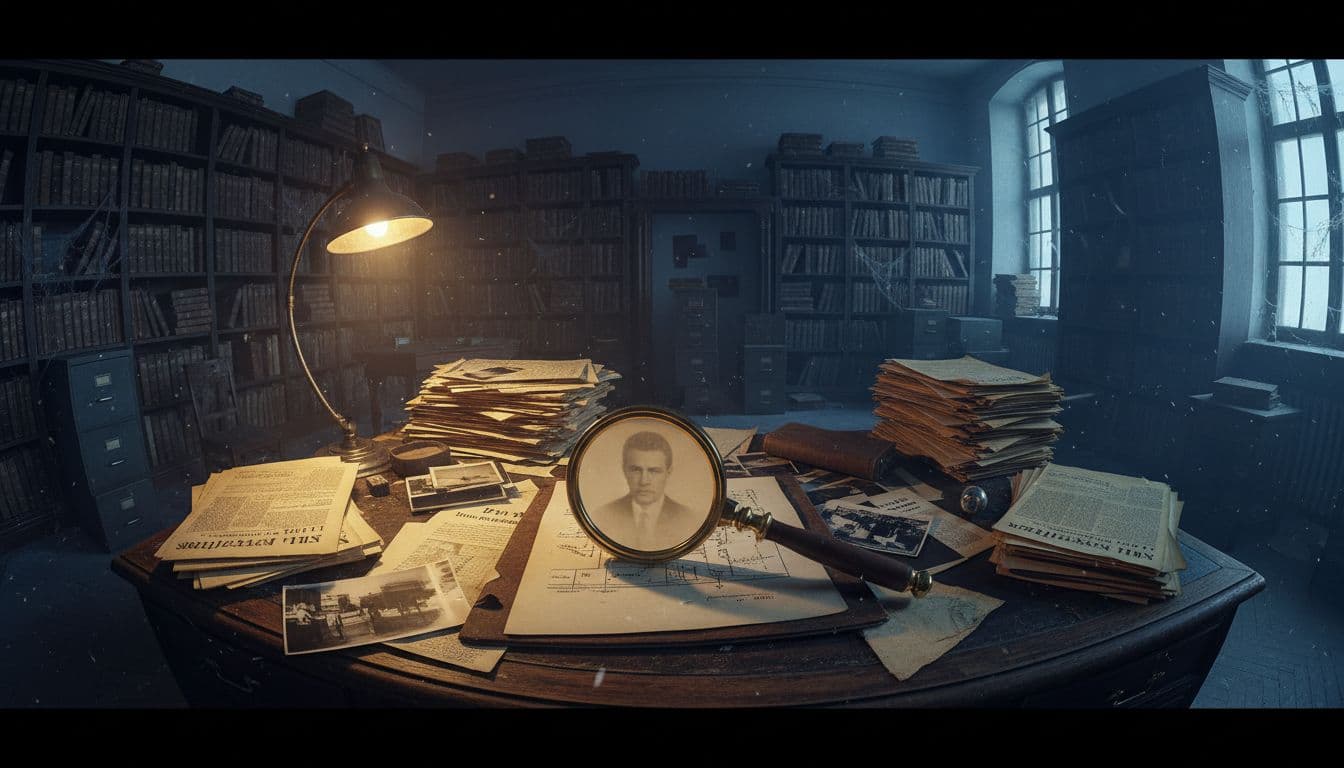
Some sites treat mystery like a stage trick. Wondrous Stories doesn’t. Specializing in unexplained phenomena, it stays with real cases, real records, and real uncertainty.
That difference matters. The core focus of the site is unsolved mysteries. The stories here are not invented, dressed up, or pushed into paranormal territory for effect. They are documented events from history’s greatest mysteries, missing explanations, sealed records, strange behavior, and investigations that happened in full view of history, yet still stopped short of a clean answer.
If you’re looking for a place that takes facts seriously, this is the point of the site. It looks at what can be checked, what remains disputed, and where the record still refuses to settle.
Key Takeaways
- Wondrous Stories specializes in real, documented unsolved mysteries, sticking to facts, records, and uncertainty without invention or paranormal exaggeration.
- Covers categories like unexplained phenomena, unsolved mysteries, historical anomalies, forbidden knowledge, and psychological oddities, all prioritizing evidence such as reports, court records, and witness accounts checked against solids.
- Treats human elements like memory, perception, and group belief as central to many cases, showing how they can reshape stories over time.
- Builds trust through restraint: no gap-filling, scientific explanations first, and the unknown handled with the same care as the known.
- Readers start by browsing categories, the main blog, or the YouTube channel for ongoing coverage.
A closer look at the kind of stories Wondrous Stories covers
The site is organized in a way that makes sense fast. Each section focuses on a different kind of unresolved case, but the standard stays the same, evidence first.
A simple way to read the library is this:
- Unexplained phenomena covers events with reports, data, or witnesses, but no settled cause.
- Unsolved mysteries stays with cases that were investigated and still lack a final answer, such as mysterious disappearances.
- Historical anomalies looks at moments where records conflict or the accepted story feels incomplete, like spiritism sessions.
- Forbidden or lost knowledge follows information that was sealed, removed, destroyed, or left hard to access.
- Psychological oddities focuses on memory, perception, belief, and group behavior when the facts are harder to hold steady, including medical mysteries.
That mix gives the site range without losing focus. A reader can move from a strange light report to an undeciphered text, then to a case shaped by memory errors or belief, and the standard does not change. Court records still matter. Declassified files still matter. Medical literature still matter. Eyewitness accounts matter too, but only when they can be placed beside something more solid.
Unexplained events that were investigated but never fully settled
This is where Wondrous Stories often feels most distinctive. Some events leave a paper trail, draw official attention, and still resist a satisfying answer.
That does not make every case paranormal. It usually means the evidence is real, but limited. A radar return from UFO sightings, recordings of strange noises, a police file, a laboratory report, or consistent witness statements can confirm that something happened. They can’t always explain why.
For readers who want a good starting point, the site’s collection of documented unexplained phenomena shows this standard clearly. The value is not in forcing a conclusion. It is in showing the gap between observation and proof.
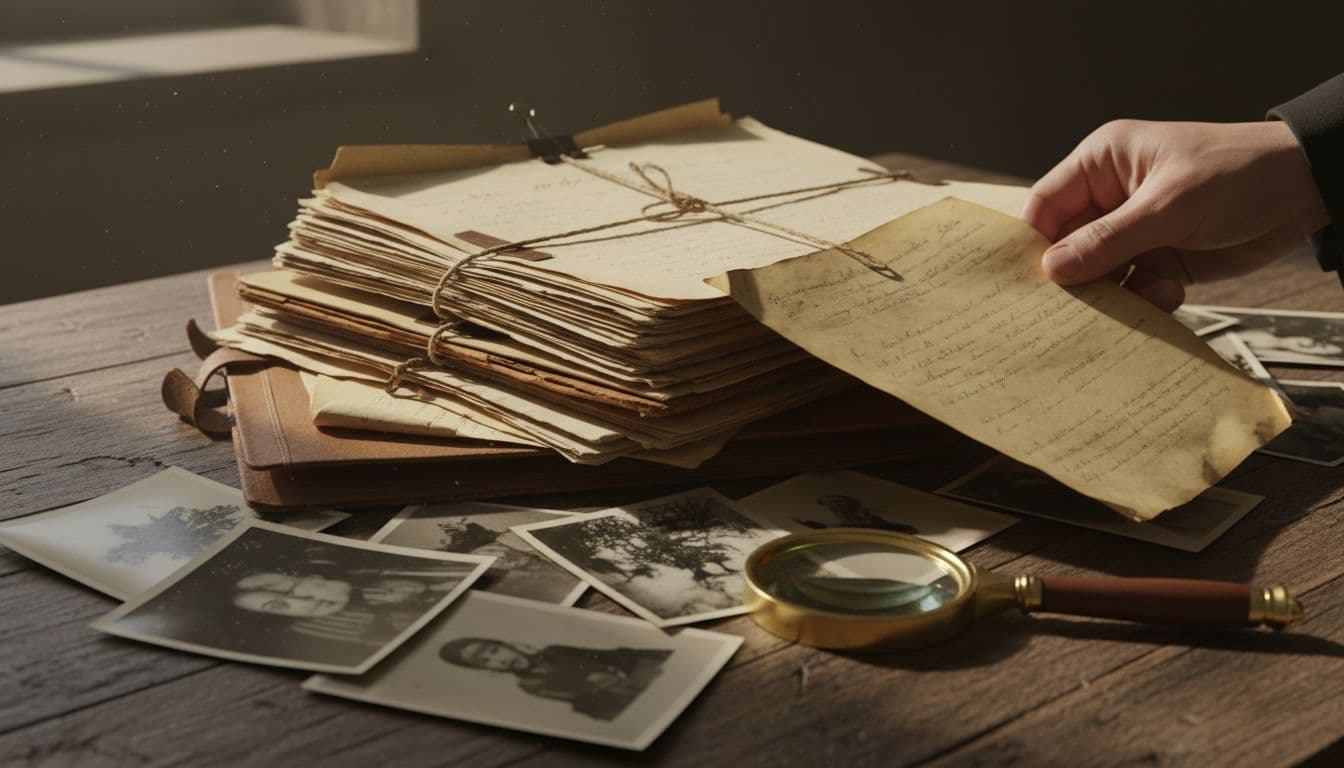
A case can be well documented and still unresolved. That is often the point.
Human behavior, memory, and perception when reality feels unstable
Some of the site’s strongest material is not about lights in the sky or missing records. It is about people. How they remember. How they misremember. How groups can turn uncertainty into conviction.
That is why the psychological category matters. A mystery does not always sit outside the observer. Sometimes the unstable part is human perception itself.
A good example is how certain stories spread once they feel meaningful, in contrast to typical ghost stories or claims of psychic powers and psychic abilities. The site’s look at the 100th monkey effect origins shows how a widely repeated claim can outgrow the evidence behind it. That does not make the subject trivial. It makes it more useful. You get to see how belief, repetition, and weak sourcing can reshape a story over time.

The unsettling part is often simple. Two people can witness the same event and carry away different versions of it. A group can repeat a detail long enough that it starts to feel confirmed. Wondrous Stories treats that as part of the mystery, not as a side issue.
How Wondrous Stories handles mystery without crossing into fiction
This is where trust is built. Wondrous Stories relies on physical evidence and forensic evidence as primary tools. It does not fill gaps with invented details. It does not turn a theory into a fact because the theory is more dramatic. And it seeks a scientific explanation before entertaining paranormal activity, rather than using paranormal language as a shortcut when the evidence is weak.
That restraint is one of the site’s strengths. A lot of mystery writing falls apart because it wants the answer too badly. Here, uncertainty is not a flaw in the story. It is often the most honest part of it.
What is not known is treated with the same care as what is known.
Why sourcing matters so much here
A story belongs on this kind of site only if it has something solid under it. That can mean archived documents, official reports from internal investigations, scientific studies, court records, historical newspapers, or firsthand accounts that can be checked against other evidence.
If the record is thin, the writing should say so. If dates conflict, that should stay visible. If a case has several theories and no consensus, those theories should remain separate from the facts. The site handles high-strangeness reports with restraint to investigate paranormal claims carefully.
You can see that same method in pieces tied to lost texts and disputed history, including Yale’s Voynich Manuscript. The manuscript is physically real, heavily studied, and still unread. That is enough. It does not need extra claims attached to it.
Why unresolved cases can still be worth reading
A case does not need a neat ending to matter. Unresolved stories like cold cases and unexplained occurrences often show how institutions work under pressure, how records disappear, or how testimony changes with time.
They also remind readers that history is not a finished shelf of labeled boxes. Some files stay sealed. Some evidence degrades. Some events were recorded well enough to prove they happened, but not well enough to explain them.
That is a useful kind of discomfort. It keeps the writing honest.
Where readers can start, and how to stay connected to new stories
If you’re new to the site, the easiest entry point is to browse by category and follow what holds your attention. Some readers start with unexplained events. Others prefer historical cases, lost knowledge, or stories about memory and behavior. The archive supports all of those paths without changing its standards.
There is also a broader library on the site’s main blog page, which distinguishes between facts and popular “conspiracy theories” to help new readers navigate recent posts and older subjects. If you want to keep up with future video coverage, the Wondrous Stories YouTube channel is the natural next stop. It covers mysterious sightings with the same kind of careful storytelling.
Frequently Asked Questions
What makes Wondrous Stories different from other mystery sites?
It focuses on real cases with verifiable records, avoiding stage tricks, fiction, or forced paranormal conclusions. Evidence like documents, radar returns, and official reports comes first, with uncertainty respected as honest rather than a flaw.
What categories of stories does the site cover?
Unexplained phenomena, unsolved mysteries, historical anomalies, forbidden or lost knowledge, and psychological oddities. Each follows the same standard: evidence first, from strange lights to memory errors.
Does Wondrous Stories promote paranormal explanations?
No. It seeks scientific or rational explanations before paranormal ones, handling high-strangeness reports with restraint and keeping theories separate from facts.
Why include psychological oddities and human perception?
Many mysteries stem from how people remember, misremember, or turn uncertainty into conviction. Cases like the 100th monkey effect show how belief and repetition reshape evidence, adding real depth.
How can new readers get started?
Browse by category for what interests you most, check the main blog page for posts, or follow the YouTube channel for video stories with the same careful approach.
Wondrous Wrap Up
Real events can feel stranger than fiction, especially when the facts are solid and the answer still does not arrive. That is the space Wondrous Stories handles well, delving into anomalous phenomena and supernatural occurrences as part of its ongoing mission to document the unknown.
Its value is simple. It keeps one foot in evidence and the other in uncertainty, covering topics of unknown origins such as near-death experiences or the search for extraterrestrial life. For readers who prefer documented unsolved mysteries over spectacle, that is a rare thing, and worth staying with.