
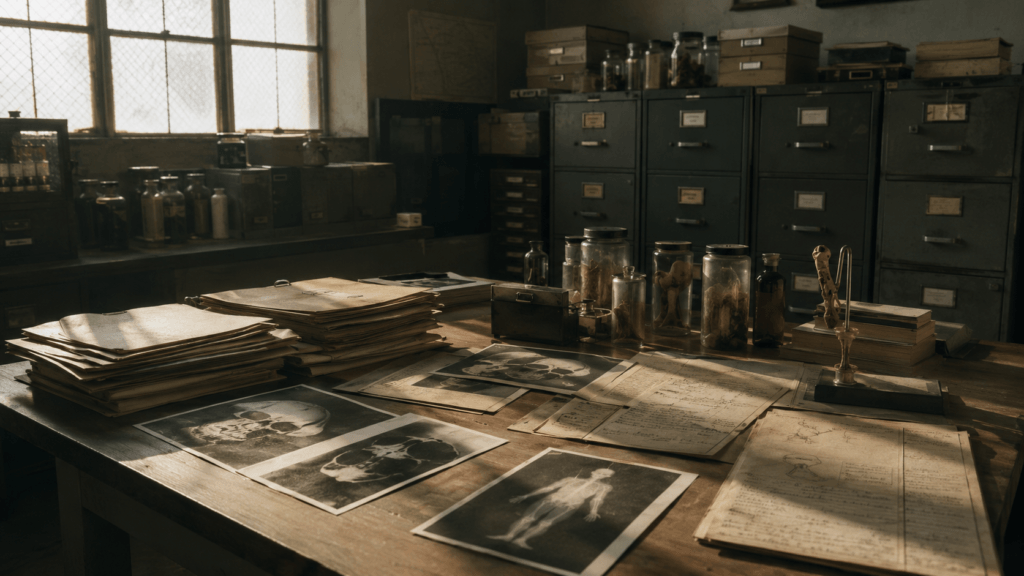
Project Sunshine was a classified Cold War study that collected human bone and tissue to measure strontium-90 from nuclear fallout. The health concern was real. So was the disturbing question beneath it: who gave permission for the dead to become research material?
Records and later investigations show a program built around secrecy, public health fears, and methods many families never knew about. The full scale remains disputed, but the central facts are not.
Quick Answer
Project Sunshine was a classified Cold War research program created to measure radioactive strontium-90 in human bones and tissue after nuclear fallout. The research addressed a legitimate public health concern, but many samples were collected from deceased people without their families being informed or asked for permission.
What Project Sunshine Was Designed to Measure
Above-ground nuclear tests in the 1950s sent radioactive debris high into the atmosphere. It traveled across borders, fell with rain and dust, entered soil and food, then entered human bodies. Researchers needed a way to measure that long, slow exposure.
Project GABRIEL had already pushed strontium-90 to the front of the problem. Strontium-90 is a radioactive fission product that behaves much like calcium. The body can absorb it, and bone can hold it for years.
Project Sunshine began in 1953 at the request of the U.S. Atomic Energy Commission. It was jointly sponsored by the AEC and the U.S. Air Force through Project RAND, as described in RAND’s original Project Sunshine report. British authorities also cooperated with related collection and research efforts.
Human bone gave scientists a physical record of fallout exposure. That was the legitimate purpose. The ethical rupture came from the way many samples were obtained.
Did You Know?
Strontium-90 behaves much like calcium inside the body. Because growing bones absorb calcium quickly, researchers considered children’s bones especially useful for measuring the effects of radioactive fallout.
Why Children’s Bones Became a Focus
Growing bones absorb calcium rapidly. They can also absorb strontium-90, which is why researchers wanted samples from infants, children, and young people.
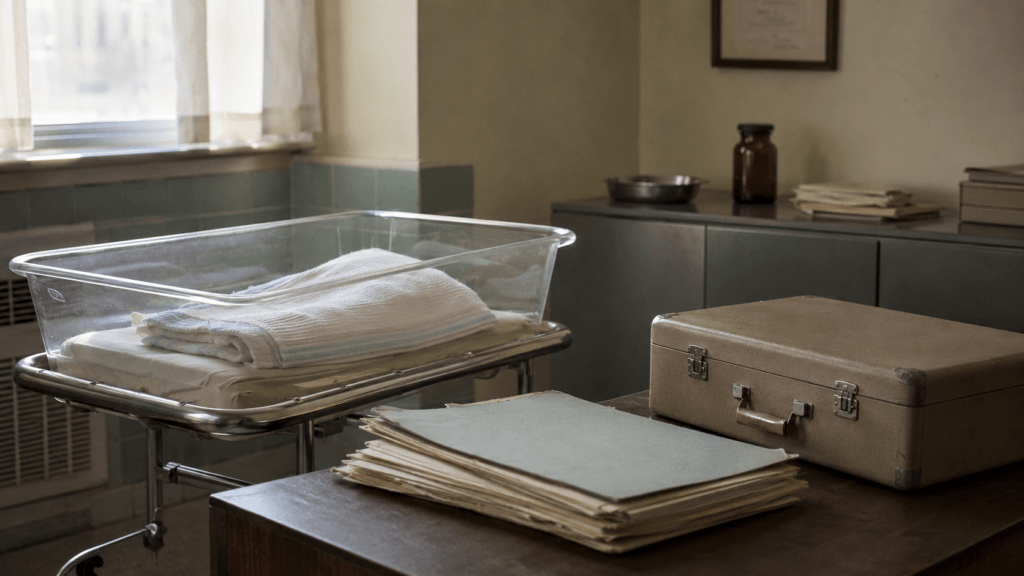
This doesn’t mean living children were “targeted” for testing. The samples came from people who had already died, including infants and stillborn babies. But that distinction only gets you so far.
For parents, the issue was not whether their child had been harmed in a laboratory. It was whether a hospital or examiner had taken part of their child’s remains without asking. That question has a brutal clarity.
The Ethical Question
The fact that the samples came from people who had already died did not eliminate the need for dignity, transparency, or family consent. Scientific value and ethical treatment are separate questions—and both matter.
The Cold War Pressure Behind the Research
Officials feared that sustained nuclear testing could expose populations far from the blast sites. Fallout did not respect borders, flags, or the comfortable idea that danger stayed where it began.
That is why the project sought samples from different countries and regions. Researchers wanted to compare exposure across places with different weather patterns, diets, and testing histories.
Project Sunshine was one part of a much wider fallout research effort. Its findings added to the body of evidence used during arguments over atmospheric weapons testing, including debates that preceded the 1963 Partial Nuclear Test Ban Treaty. It did not, by itself, create that treaty.
How Human Bones Were Collected Without Families Knowing
The collection system was bureaucratic, international, and often hidden behind ordinary medical procedures. Hospitals, coroners, morgues, and medical examiners in several countries supplied bones and tissue taken during autopsies or post-mortem examinations.
Samples included teeth, ribs, limbs, and other tissue. They were sent to research centers associated with the University of Chicago and a New York office at Columbia University. Some personnel were given a cover explanation involving research on naturally occurring radiation.
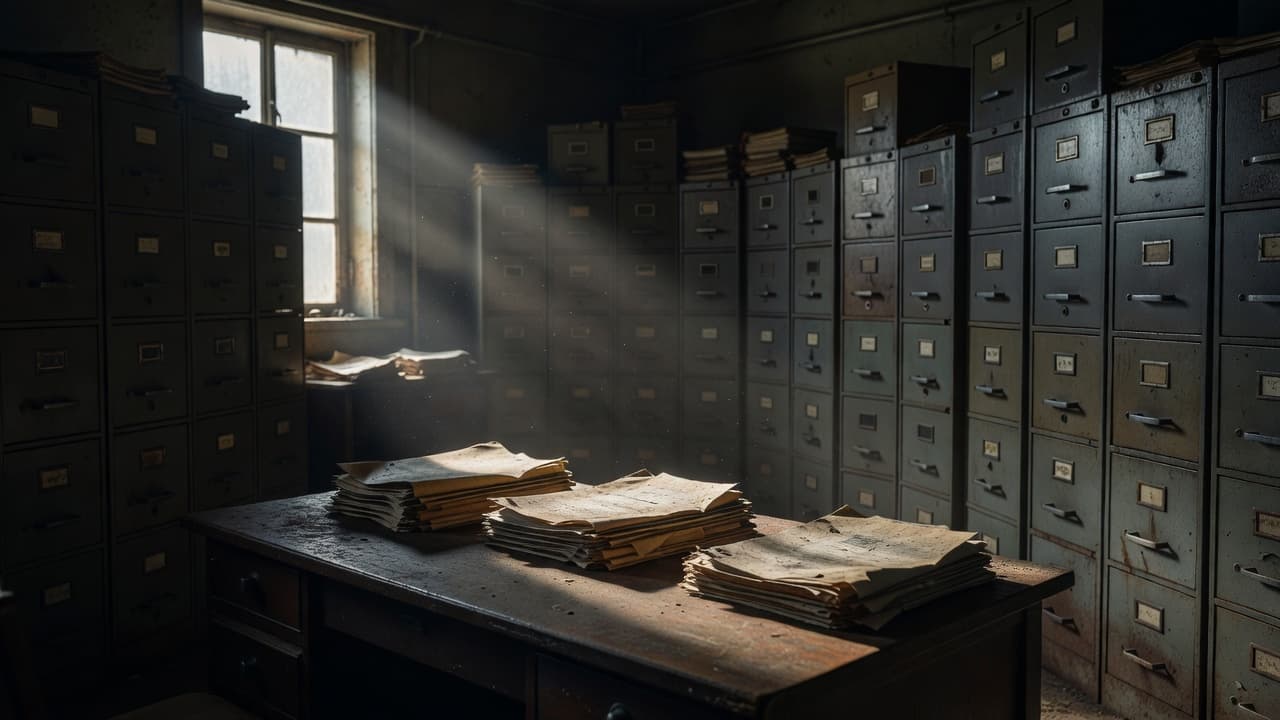
Parents of deceased infants and stillborn babies were often not told. In many cases, they were never asked. A later ABC News investigation into Project Sunshine documented how the program’s history reached families decades after the samples had been taken.
Scientific value does not erase the need for consent, respect, and accountability after death.
A Worldwide Network of Collection Sites
The United States, the United Kingdom, Australia, Canada, and parts of Europe were connected to the collection effort. Researchers needed samples from places exposed to different fallout patterns, not only from American cities.
Numbers need care here. Some records and later accounts refer to more than 1,500 cadavers. Other summaries cite roughly 6,000 corpses from 26 collection sites, alongside thousands of separate samples.
Those figures may refer to different phases, categories, or surviving records. They should not be welded into one clean total. The paperwork is incomplete, and neat numbers can become their own kind of fiction.
The Difference Between Scientific Sampling and Consent
The central ethical issue isn’t hard to locate. Families were denied the chance to decide what happened to the remains of people they loved.
Later reports in Britain and Australia included families who learned that a child or stillborn baby had been used in radiation research. Not every family had the same experience, and the surviving record cannot map every case. Still, documented cases show a system where secrecy blocked informed choice.
That is why this belongs beside other documented unsolved mysteries and real unexplained phenomena, though the mystery here is administrative and human. Records exist. They simply don’t answer every question.
What the Records Reveal About Secrecy and Accountability
Project Sunshine became publicly known during the 1950s, yet major details stayed buried for decades. Classified Cold War systems scattered responsibility across agencies, laboratories, medical offices, and national borders.
Archival investigations later recovered internal documents, reports, and correspondence that made the collection methods harder to dismiss as rumor. Records attribute statements about obtaining bodies to Dr. Willard Libby, a prominent scientist associated with the program’s research. The documents do not justify guessing at actions beyond what they describe.
They also show concerns beyond scientific security. Officials worried about embarrassment, lawsuits, and legal liability if the collection practices became public. That is the part that lingers. The secrecy was not only about radiation data.
What Is Known, and What Remains Unclear
The strongest documented points are plain:
- Project Sunshine studied strontium-90 in human bone and tissue.
- It operated internationally and used samples from deceased people.
- In documented cases, relatives were not informed or asked for permission.
Uncertainties remain, including the exact number of bodies, the complete list of collection sites, and the handling history of every sample. The Project Sunshine historical record is useful as a starting point, but archival documents and official investigations deserve more weight than dramatic headlines or unsourced claims.
| Documented | Still Unclear |
|---|---|
| The project studied strontium-90 in human bone and tissue. | The exact total number of bodies involved. |
| Samples came from deceased people in multiple countries. | The complete list of collection sites. |
| Some relatives were not informed or asked for permission. | The complete handling history of every sample. |
Why the Numbers Vary
Different records may count cadavers, individual samples, collection sites, or separate phases of the program. Until every surviving document is reconciled, the safest approach is to present the figures as historical estimates rather than one confirmed total.
Why Project Sunshine Still Matters
Modern research ethics put informed consent, privacy, and respectful handling of human remains near the center of medical research. Those standards did not appear out of nowhere, and they were not always followed when the stakes felt national.
Project Sunshine shows what happens when institutions reduce people to data points and keep the process out of public view. The science could be useful. The method could still be wrong. Both things can be true.
Project Sunshine FAQ
What was Project Sunshine?
Project Sunshine was a Cold War research program that studied radioactive strontium-90 in human bones and tissue after nuclear fallout.
Why did researchers collect children’s bones?
Growing bones absorb calcium quickly, and strontium-90 behaves similarly to calcium. Researchers believed children’s bones could show how fallout entered the human body.
Were families told about the samples?
In documented cases, families of deceased infants and stillborn babies were not informed that tissue or bone had been collected for research.
How many bodies were involved?
The exact number remains disputed. Different sources refer to different categories of bodies, samples, sites, or phases of the program.
Was Project Sunshine connected to nuclear testing?
Yes. The program was designed to measure human exposure to strontium-90 released through above-ground nuclear testing and radioactive fallout.
The Legacy Left by Project Sunshine
Researchers were trying to measure a real environmental danger. Strontium-90 in human bone helped clarify the risks of nuclear fallout. But many remains were gathered through practices that denied families knowledge and consent.
That left a second legacy: mistrust. Project Sunshine remains a reminder that public health research cannot separate its findings from the way those findings were obtained.
The complete scale of the collection is still uncertain, and not every person affected has been identified. That gap in the record is part of the story.