

Late 1800s London had its own quiet terrors. In Lambeth, poverty pressed close, rooms were crowded, and sickness was common enough that a sudden death might not spark much alarm.
That’s part of what makes the Lambeth Poisoner so unsettling. Thomas Neill Cream was a trained doctor, not a lurking stranger, and several deaths around him were tied to strychnine. The record is real, built from inquests, police work, and a murder trial, even though the full number of his victims is still argued over.
Who the Lambeth Poisoner was, and why he was hard to spot
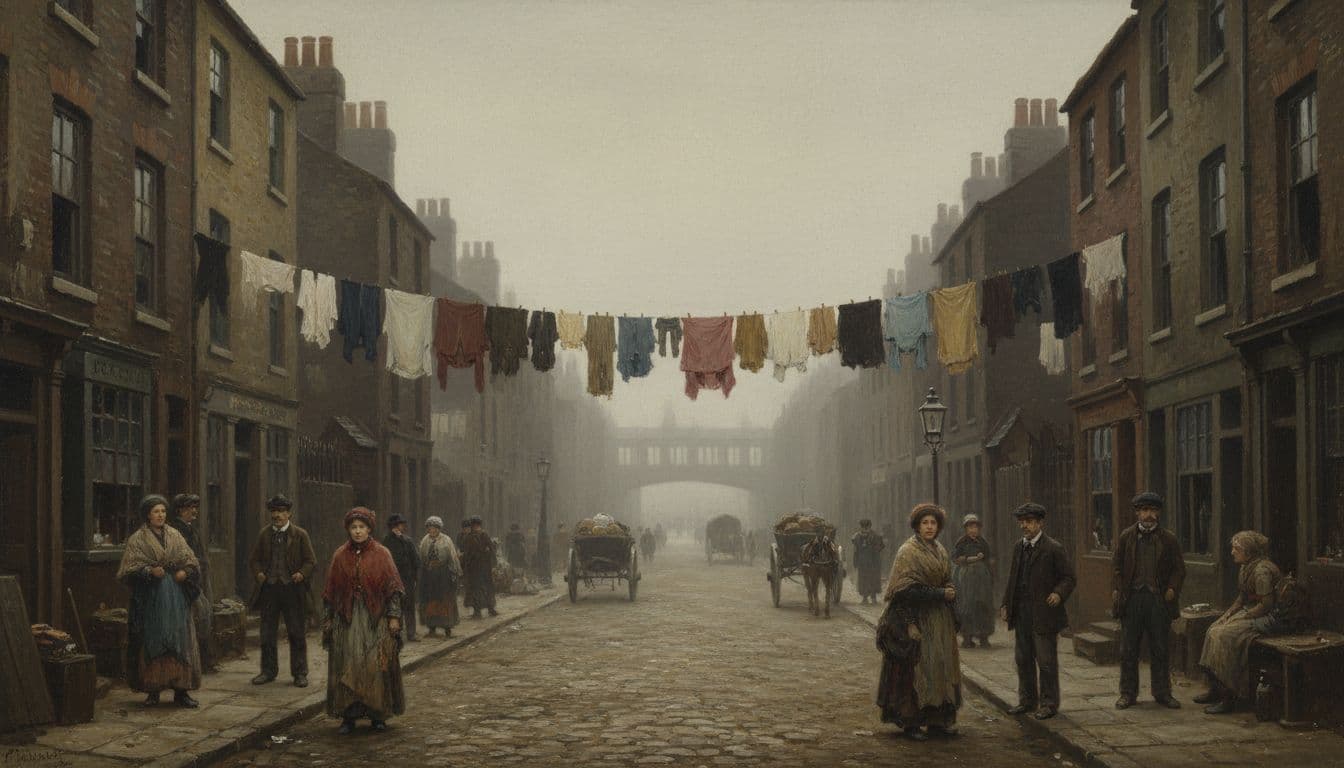
Thomas Neill Cream (1850 to 1892) moved between North America and England and used his medical status as a passkey. A doctor could offer “help,” carry pills without suspicion, and sound confident when others had little reason to argue.
Many accounts agree on at least five known victims tied to him, with broader totals sometimes claimed across multiple places. Those higher numbers are often based on patterns and suspicion, not convictions. What is clearly supported is that he targeted people with fewer protections, often lower-income women, including sex workers and women seeking abortions, who could be ignored or blamed when something went wrong.
Strychnine, the poison at the center of the story
Strychnine can cause fast, severe muscle spasms and intense pain. In the 1890s, a death like that could be confused with other sudden illnesses, especially if alcohol withdrawal or “natural causes” were already assumed. Chemical proof existed, but it wasn’t routine, and early conclusions could stick until someone forced a second look.
A short timeline of the Lambeth deaths and the surviving witness
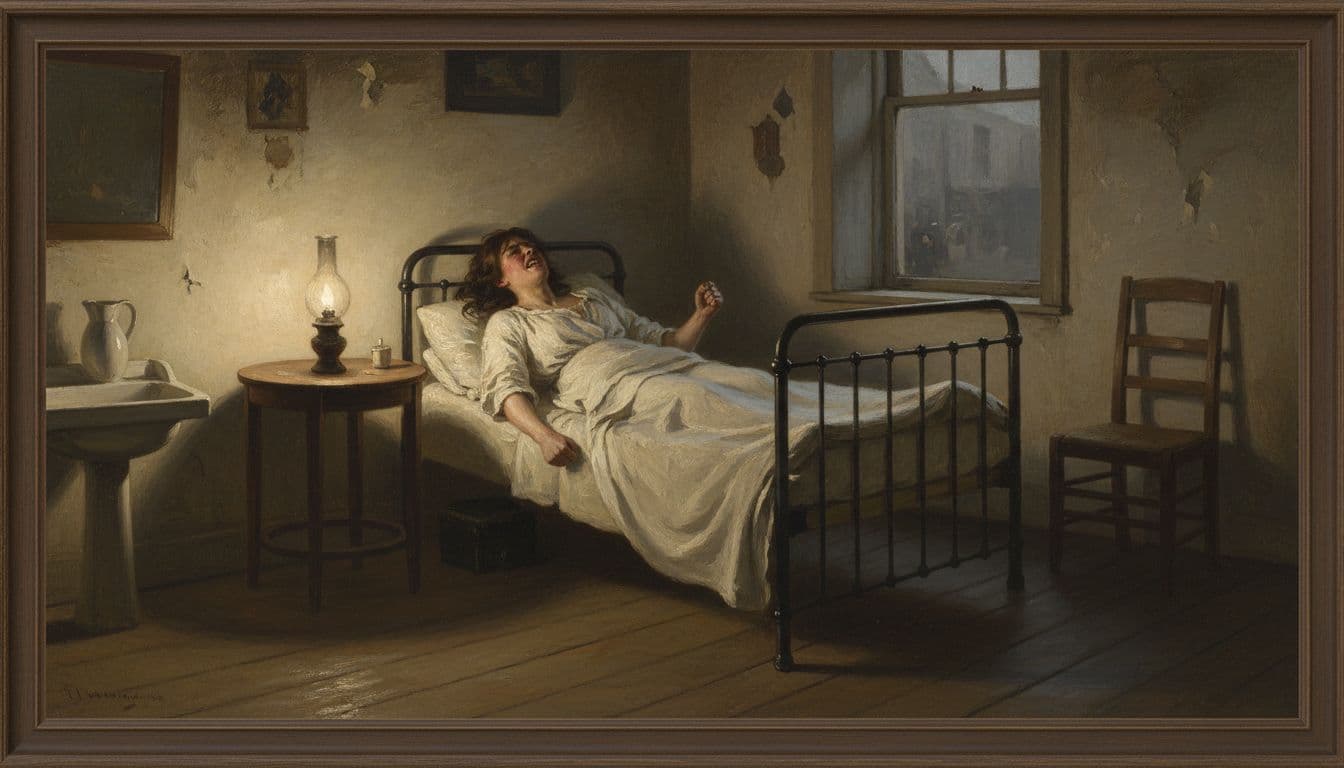
The London cases most often linked to the Lambeth Poisoner are usually summarized like this:
- Oct 13, 1891: Ellen “Nellie” Donworth became ill and later died, with strychnine identified.
- Oct 20, 1891: Matilda Clover died after taking pills; her death was first treated as connected to drinking and poor health.
- Apr 2, 1892: Louise Harvey was offered pills but didn’t swallow them, a rare moment where suspicion saved a life.
- Apr 11, 1892: Alice Marsh and Emma Shrivell died after taking pills, later linked to strychnine.
The throughline isn’t gore, it’s how ordinary the encounters sounded at first.
How Cream used “medicine” and polite offers to deliver poison
Cream often arrived with a small offer, a pill, a drink, a “remedy.” In private rooms, the balance of power mattered. A doctor’s calm voice could outweigh a victim’s doubt, and social stigma could make witnesses hesitate to speak up.
Blackmail letters, a fast-moving investigation, and a clear ending
Cream also wrote blackmail letters accusing others and demanding money. Investigators noticed that the writer seemed to know details that didn’t fit public understanding, including hints about Clover’s death before poisoning was widely accepted.
Scotland Yard placed him under attention, and he was arrested on June 3, 1892. He was formally charged in July, tried in October 1892, convicted, and hanged at Newgate Prison on Nov 15, 1892. For a concise, institution-based background on his training and notoriety, see McGill’s profile of Dr. Cream.
Some links on WondrousStories.com are affiliate links. If you click and buy, I may earn a small commission at no extra cost to you. I only share things I believe fit the story, the topic, or the reader’s curiosity.
The “I am Jack” rumor, and what the timeline shows
A story persists that his last words hinted at Jack the Ripper. It’s widely rejected because records place him imprisoned in Illinois during the 1888 Ripper murders, and the claim traces mainly to a single source. The methods also don’t match.
Cream’s case shows how authority can hide violence in plain sight. The Lambeth deaths are backed by inquests and a trial record, and his own blackmail helped point police toward him. Still, totals beyond the convicted cases remain uncertain, and suspected links should stay labeled as such. That caution is part of telling the truth.
You can dig deeper and read The Lambeth Poisoner: A Detective Blackwood Novel