

The Dark Truth Behind Secret Military Tests
The Cold War era brought out some truly strange and unsettling stories from military research facilities. None are more chilling than those experiments centered on controlling the human mind. Tucked away in secret labs, these mind control programs were mostly hidden from the public for decades.
Soldiers, without realizing it, became test subjects as scientists tried to figure out whether thoughts could be altered, erased, or manipulated. Here are the key findings from my examination of this significant chapter of Cold War history.
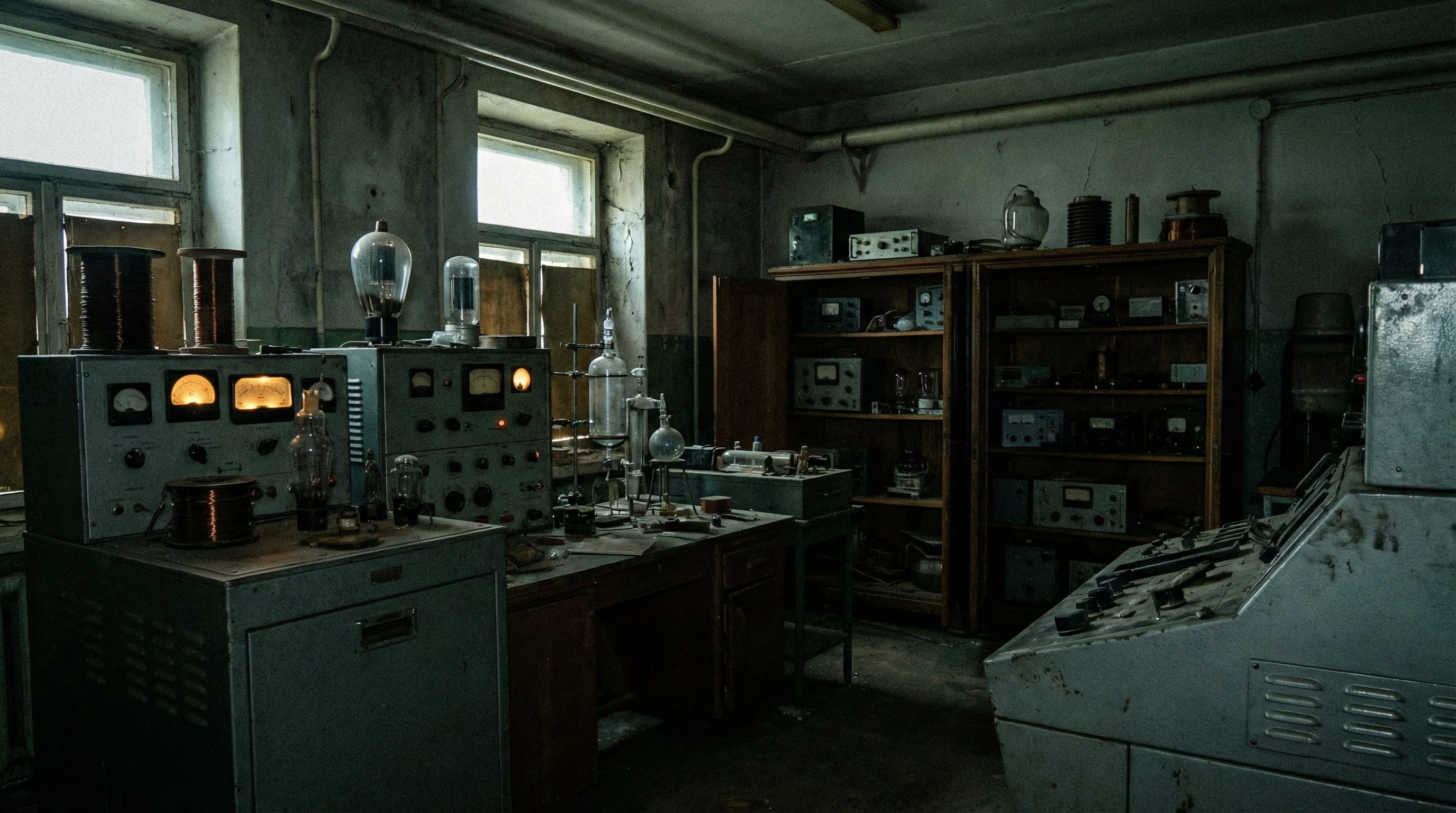
The Cold War Obsession With Mind Control
During the Cold War, fear became the primary driver of military innovation. With the U.S. and Soviet Union locked in a high-stakes battle of paranoia, both sides were constantly worried the enemy might figure out how to break into people’s minds or make loyal soldiers betray their homelands. This competition set off a race to unlock the secrets of mind control, leading to secret projects that would sound more at home in a sci-fi movie than as part of a government spending report.
Thanks to documents released in the decades since, it’s now known that the U.S. invested heavily in these projects. Programs like MK-Ultra grabbed headlines with their shocking details, and while they were officially set up to study brainwashing and ways to resist interrogation, they often slid into ethically questionable territory.
Main Types of Mind Control Experiments on Soldiers
The experiments came in many forms, but several key approaches stand out. Here’s a quick rundown of what military volunteers—and sometimes unsuspecting soldiers—went through:
- Drug Experiments: LSD, mescaline, and other psychedelics were given to soldiers, sometimes completely without their knowledge, to see if minds could be altered or made easier to influence.
- Sleep Deprivation: Troops were kept awake for days as a way to push them past mental and physical limits in order to break down resistance or create confusion.
- Electroshock and Sensory Isolation: Techniques like isolation tanks or electroshock were used to test what happens to brains cut off from regular sensory input.
- Behavioral Conditioning: Methods borrowed from early psychology—think Pavlov’s dogs—tested whether soldiers could be “reprogrammed.”
Most of these tactics were either aimed at making people more resistant to interrogation or, even more disturbingly, to see if soldiers could be controlled like puppets.
Understanding Project MK-Ultra and Its Offshoots
MK-Ultra stands out as probably the most notorious mind control project. Beginning in the 1950s, the CIA organized a series of secret experiments on unwitting individuals, many of whom were military personnel, using drugs, hypnosis, and more. The central idea was to create so-called “truth serums,” erase memories, or determine whether people could be compelled to act against their will.
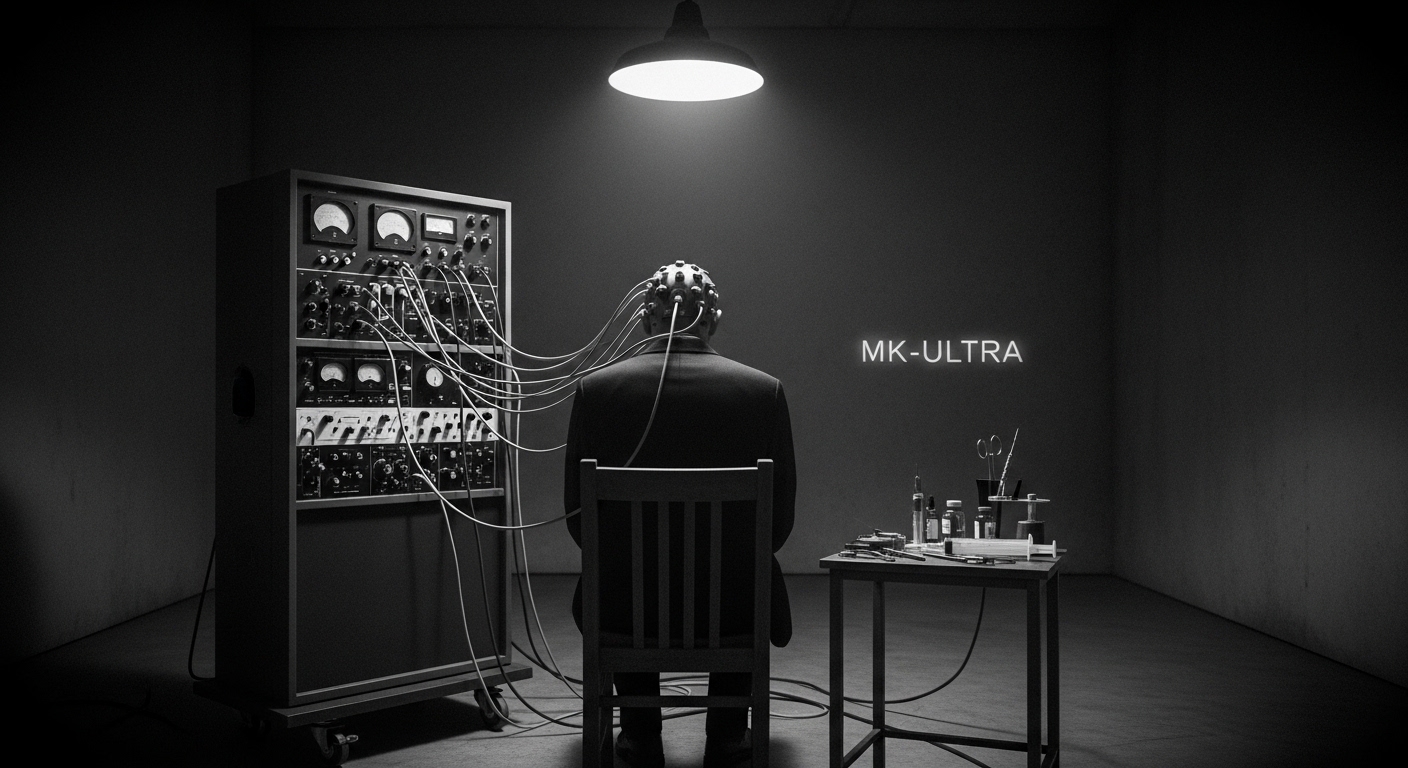
The full size and scale of MK-Ultra may never be fully known. Many documents were destroyed in the 1970s, but those that remain paint a wild and unsettling picture. Tests involved everything from dosing military volunteers with LSD and locking them in sensory deprivation tanks for hours to using electrodes that sent shocks right to the brain. MK-Ultra’s shadow looms large even today, touching everything from court cases to movies and TV shows, and it’s a real story worth checking out if you love real-world spy thrillers.
Risks and Impact on Soldiers
The people caught up in these experiments often did not know the full story until much later. Some soldiers believed they were merely conducting routine training or medical research. What they experienced was serious. Drawing from hundreds of personal accounts over the years, I found that many former subjects reported the following:
- Flashbacks, anxiety, and paranoia that sometimes lasted for years
- Memory loss—ranging from temporary blackouts to more lasting gaps
- Major mistrust of the military or government, often lasting decades
- Nightmares and trouble sleeping, especially among those exposed to hallucinogens or sleep deprivation tactics
Some personal letters and oral testimonies suggest the trauma spilled over into their relationships, work life, and trust in any sort of authority. Most now agree that the harm created by these experiments was greater than any possible benefit the government had in mind.
Ethics and the Debate Over Consent
Today, such programs would be halted by stricter ethical standards. In the 1950s and 1960s, rules were much looser. Most soldiers never understood the real aim of their participation; consent forms, when they existed, were vague, and often left out anything about drugs or psychological tricks.
This lack of transparency eventually caught up with these programs. By the 1970s, public outrage and government investigations forced a much-needed wake-up call. The finding of secret mind control operations led Congress to tighten up everything from informed consent to oversight and medical research ethics within the military.
What Informed Consent Means Today
If you’re wondering how military-related experiments are conducted now, participants must be clearly informed. Everyone who takes part must have all risks and possible side effects clearly explained. Groups from the Department of Defense to independent review boards keep a close eye on research projects, laying out rules that should stop anything like the Cold War mind control programs from happening again.
How Mind Control Myths Evolved
The stories of MK-Ultra and similar programs have grown considerably since the Cold War. Wild tales of government “zombies,” secret brainwashing camps, and people with erased memories filled books, magazines, and shows. In some cases, myths grew larger and more fantastical than reality, creating a hybrid of fact and fiction that can be difficult to distinguish.
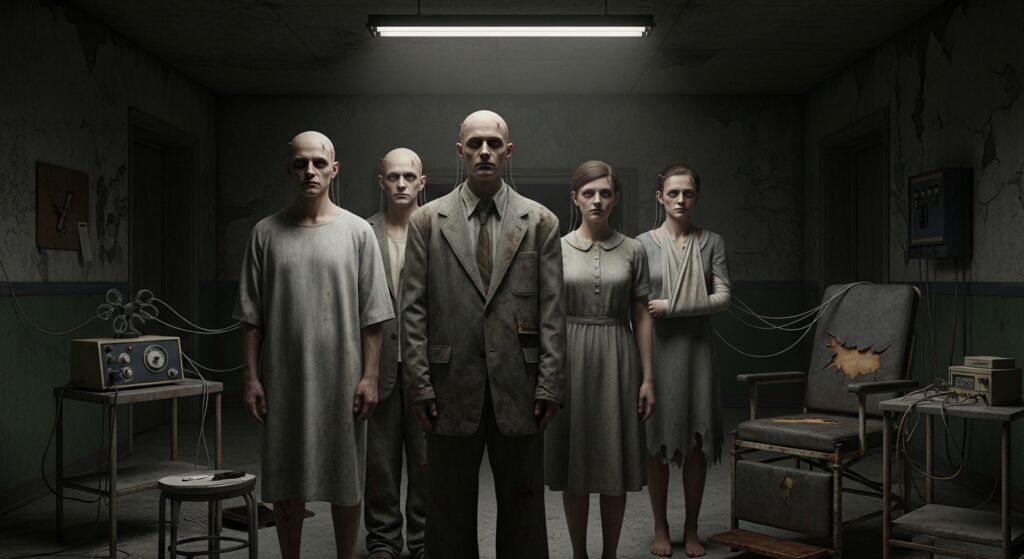
Still, plenty of what once sounded impossible turned out to have a grain of truth. While the real details are tricky to pin down, declassified reports show just how far agencies were willing to go in searching for mind control.
Things to Consider When Studying Cold War Mind Control Experiments
This field is loaded with conspiracy theories and rumors, yet there are a few key tips for sorting fact from fiction:
- Double-Check Your Sources: Online rumors can quickly spiral, so chase down original government documents or expert-written histories when you can.
- Watch for Bias: Some accounts push strong anti-government or anti-military views. Consider several viewpoints to get a more accurate picture.
- Understand the Science: Many Cold War techniques simply didn’t work as intended; their results were too unpredictable or just plain ineffective.
- Lasting Impact on Policy: Cold War experiments sparked tough new rules on research ethics and secrecy that still shape government policy today.
Drug Experiments in Detail
If you want the specifics, the LSD studies are among the most thoroughly documented examples from this era. Soldiers sometimes described dramatic hallucinations, out-of-body experiences, and even full-blown psychosis. Back then, researchers hoped these effects might erase memories or twist a person’s loyalties, but the usual outcome was confusion, trauma, and lasting harm. Both the National Archives and History.com have super detailed accounts if you want to dig into the details.
Frequently Asked Questions
Cold War mind control experiments continue to raise many important questions. Here are some common ones that come up:
Question: Did any of these mind control experiments work?
Answer: For the most part, these experiments fell short. Drugs like LSD led more often to confusion, fear, or mental distress—not the clear-cut mind control or memory erasure that researchers wanted.
Question: Were soldiers compensated for what they went through?
Answer: Some were awarded compensation after lawsuits or official investigations. Many, unfortunately, never got any formal recognition or help for ongoing mental health struggles.
Question: Are mind control experiments still happening today?
Answer: As far as publicly available records show, there are no modern military mind control experiments of this sort. Today’s strict rules on informed consent and third-party monitoring aim to prevent such abuses from slipping through.
Wrapping Up
The story of Cold War mind control experiments on soldiers still shapes how we look at research and ethical standards today. By tracking down what happened and learning from the past, we help protect the rights and health of those involved in research going forward. This chapter from the past stands as a crucial warning about the balance between national security and the well-being of those who serve.
Key Takeaway
Cold War mind control experiments pushed ethical boundaries through secret drug testing, psychological manipulation, and non-consensual military research, leading to modern research protection laws.