
Books Are Destroyed to Control Memory, Not Just Paper
Across history, leaders and institutions have targeted books that challenged their authority, exposed wrongdoing, or offered different ways of thinking. Destroying texts has never been only about the pages. It has been about controlling which ideas survive and who gets access to them.
- Book destruction is often meant to erase evidence and intimidate the public.
- It includes more than burning. Seizure, bans, and quiet removals can be just as effective.
- Texts become “dangerous” when they help people question power or understand their own situation.
- Modern censorship still limits access, especially for readers who rely on schools and libraries.
- Preservation, documentation, and shared access are key ways societies push back.
When people talk about book burning, it can sound like a symbol more than a real act. But in book censorship history, power has often come with a simple urge: control the story, control the future.
Books get destroyed for the same reason people keep diaries, and families keep photo albums. Written words carry memory. They move from hand to hand. They can last longer than the leader who tried to silence them.
This isn’t just about “offensive” pages. Across centuries, rulers and institutions have targeted books that questioned religion, mocked authority, documented abuse, or offered a rival way to organize society.
Why Destroying Books Has Always Been a Power Move
A government can jail a person, but ideas spread by copying. That’s the problem censors keep running into. A book is a portable argument. It can be smuggled, shared, quoted, translated, or reprinted. Even when it’s banned, people talk about it more.
Destruction is often meant to do two things at once:
- Erase evidence: texts can document corruption, violence, or land theft. If you remove records, denial becomes easier.
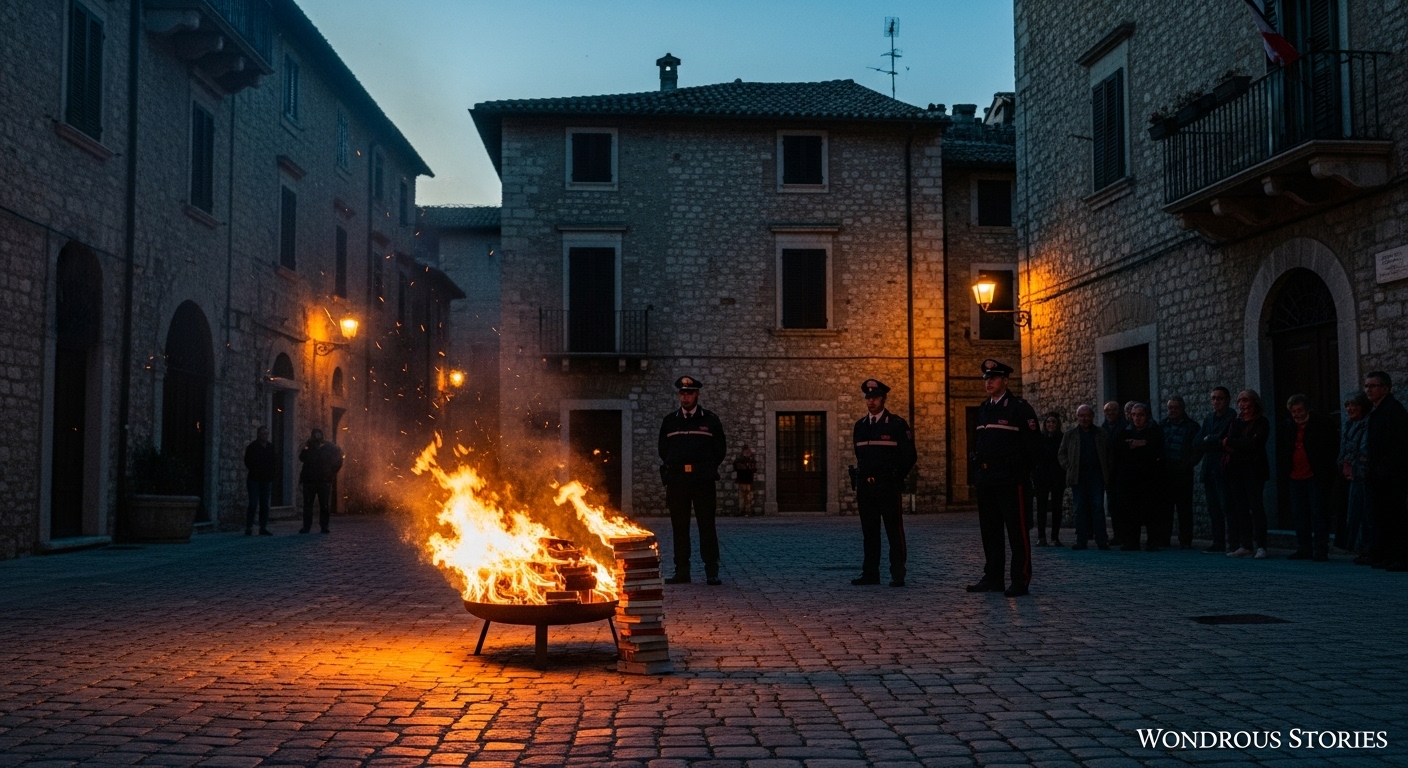
- Intimidate the public: burning books in a square sends a message. It’s not only the author being punished, but it’s also anyone who might agree with them.
It also helps to remember that “book destruction” isn’t only flames. In many historical cases, authorities used a mix of tactics: seizure, pulping, raids on printers, press shutdowns, licensing systems, and criminal penalties for owning or copying banned texts.
That wider pattern shows up in timelines and research guides that track how bans shift with political shifts. A good starting point is the Harvard Library guide to the history of book banning, which connects early bans, religious controls, and modern school challenges in one place.
One uncomfortable lesson from the record is that destruction often targets communities, not just books. If a text helps a group name what’s happening to them, that text becomes a threat.
Documented Moments When Books Were Targeted As “Dangerous.”
Some of the most cited cases sit at the edge of myth and record, so it’s worth being careful. For example, stories of ancient Chinese “burning of books” under the Qin dynasty are recorded in later historical writing, but scholars still debate details and scale. What’s clear is the intent reported in the sources: tightening ideological control by limiting which texts could circulate.
Other cases are better documented through photographs, government records, and eyewitness accounts.
Here’s a quick snapshot of recurring patterns:
| Example | What happened | Who was targeted | What the destruction signaled |
|---|---|---|---|
| Qin-era China (reported in later histories) | Suppression and reported burning of certain texts | Works tied to rival schools of thought | A single authorized ideology |
| Catholic Index of Prohibited Books (1559 to 1966) | A long-running system banning specific titles | Works seen as heretical or morally harmful | Religious authority over reading |
| Nazi Germany (1933) | Public book burnings are tied to propaganda campaigns | Jewish, socialist, pacifist, and “un-German” authors | A “cleansing” of culture by force |
| Military dictatorships (20th century, various countries) | Seizures and destruction of “subversive” books | Leftist texts, dissident journalism, activist writing | Fear of organized opposition |
The point of listing these together isn’t to flatten them into one story. Motives differed, and so did methods. But the logic repeats: if a book undermines the story the state wants people to believe, removing the book can feel like removing the threat.
For readers who want a broader, sourced timeline of cases across eras and regions, PEN America’s resource is useful: PEN America’s timeline of literary censorship and destruction. It helps show that book destruction doesn’t belong to one ideology or one century; it appears wherever leaders treat culture as a battlefield.
How “Book Destruction” Looks Today, and Why It Still Matters
Modern censorship often avoids bonfires, but the outcome can be similar: fewer people can access the book. A title pulled from school libraries, removed from reading lists, or quietly discarded can disappear from everyday life, even if it still exists online or in private hands.

In the United States, the last few years have produced unusually high numbers of organized challenges. The American Library Association’s Office for Intellectual Freedom has documented record levels of attempts to restrict books, with many efforts targeting stories about race and LGBTQ lives. The trend is summarized with specific figures and context in American Libraries’ overview of censorship throughout the centuries, including the scale reported for 2023.
It’s tempting to treat this as a “culture war” talking point, but the mechanism is older than today’s politics. Once a system for removing books exists, it can be used by different groups for different purposes. The policy structure outlives the moment.
There’s also a practical reason destruction still matters in a world of scans and e-books. Access is uneven. Not every community has strong libraries, stable internet, or the money to buy personal copies. When schools and public libraries lose books, the loss hits the people who rely on shared shelves.
A few grounded ways societies resist destruction show up again and again:
Redundancy: libraries share collections, archives store copies, and interlibrary loan keeps books moving.
Documentation: librarians and educators record challenges, so bans don’t vanish into rumor.
Preservation: digitization helps, but so does keeping physical copies, since digital access can be restricted too.
Destruction doesn’t always erase the text, but it can still narrow who gets to read it, shaping what a society is allowed to imagine.

Final Thoughts
Book destruction is rarely about paper alone. It’s about permission: who gets to speak, who gets believed, and which memories are allowed to survive. The record shows that controlling reading has been a steady companion to controlling people.
If a book is only dangerous when it challenges power, the real question is simple: what kind of power can’t afford to be questioned?
Books Destroyed Because They Challenged Power: FAQ
Quick answers for readers who want the core ideas without losing the nuance.