
The Kitty Genovese story is often told as a simple warning about human coldness: a young woman is attacked in Queens in 1964, “38 witnesses” watch, and nobody helps. It’s clean, shocking, and easy to remember.
It’s also not the full truth.
Kitty Genovese (Catherine “Kitty” Genovese) was murdered near her home in Kew Gardens, Queens, on March 13, 1964. The crime was real, and the fear and confusion that night were real, too. But the famous “38 witnesses did nothing” version mostly comes from early reporting that later researchers, and even the New York Times decades later, said was badly flawed.
This is a careful, source-based explanation of what’s confirmed, what’s disputed, and why the myth spread. No gore, no blame games, just the documented record and what it still teaches.
What happened to Kitty Genovese, the verified timeline in plain language
Times below are approximate, and sources can differ by minutes. What matters most is the sequence and the setting.
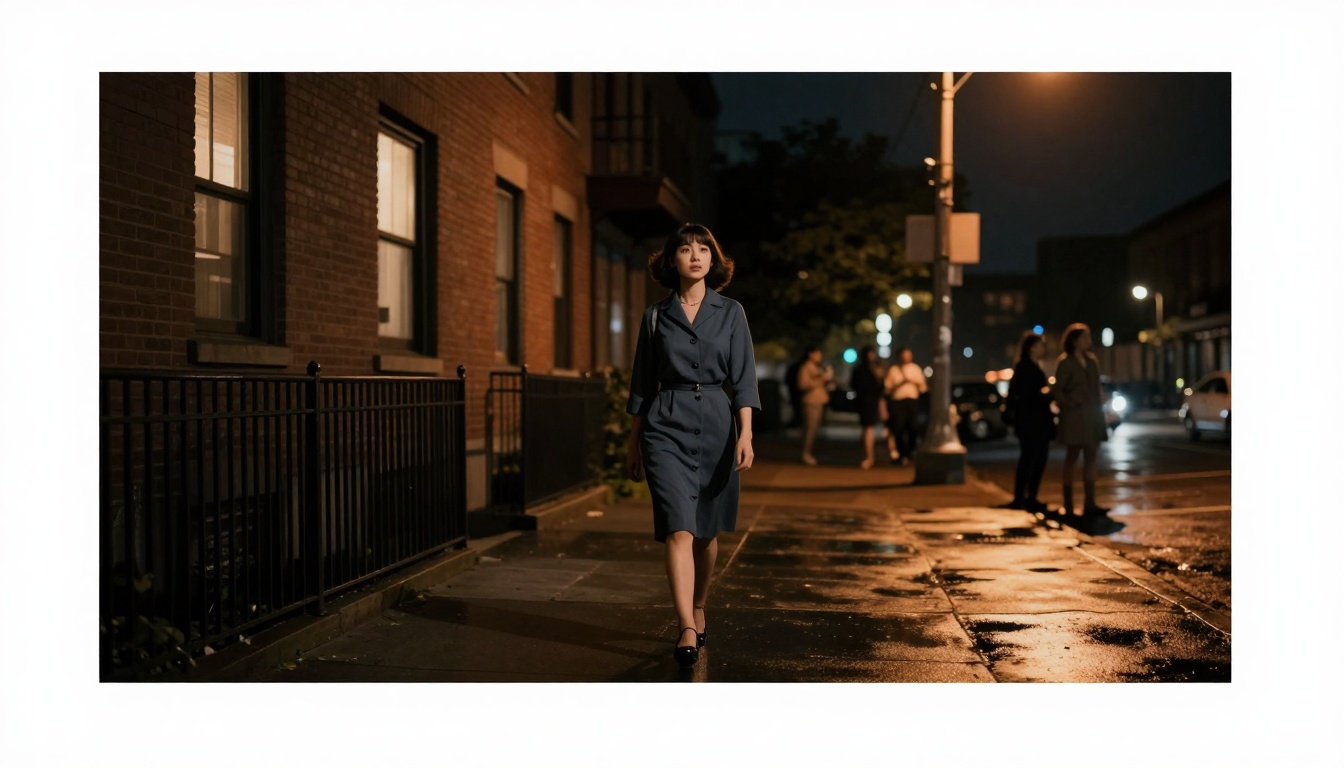
Early morning, March 13, 1964 (Kew Gardens, Queens): Kitty Genovese returns from work and parks near the apartment building where she lived.
The first attack (outside, near the street and parking area)
Not long after she parks, she is confronted by Winston Moseley, who had followed her. He attacks her outside. She screams, and at least some nearby residents hear the cries. A few people look out from windows, but visibility is limited. It’s dark, and buildings and distance block clear sight lines.
What is strongly supported by later investigations and court records is that someone shouts from a window, words to the effect of “Leave that girl alone!” That shout appears to interrupt the assault, and Moseley pulls back for a time.
This detail matters because it’s the opposite of the famous legend. At least one neighbor tried to intervene, and it likely changed what happened in that moment.
Between attacks (movement toward the building)
After the first assault, Genovese is badly injured but still able to move. She heads toward the entrance area of her building and ends up in a vestibule or lobby area near the door. Lights go on in multiple apartments, and people continue to react, but many still don’t have a clear view of what’s happening, or even where it’s happening.
This “in-between” period is one reason later retellings can get messy. From a window, a person might hear screams, then see nothing. Or see movement, then lose it behind the building line. When an event comes in fragments like that, people fill in blanks, sometimes incorrectly.
The second attack (inside the vestibule, out of public view)
Moseley returns, searches the area, finds her in the vestibule, and attacks her again. This second phase is key to understanding the case. Much of it happens where many neighbors could not see her from their windows.
Records show the second attack included further stabbing, along with sexual assault and theft. Those facts are part of the legal record, but they were not visible to most bystanders because of where the assault occurred.
Calls, response, and help at the scene
People did contact police, but the timing and number of calls are harder to pin down with complete certainty. It’s also important context that this happened before 911 existed, when calling police could be slower, more confusing, and less standardized. Some witnesses also feared getting involved or misread what they heard as a domestic dispute or a drunken fight.
What is well supported is that a neighbor, Sophia “Sophie” Farrar, goes to Genovese and stays with her, holding and comforting her as help arrives. Genovese is still alive when assistance reaches her, but she dies soon after.
Kitty Genovese was a real person, not a parable. The verified record describes a two-phase attack, limited visibility, fear, confusion, and at least some attempts to help.
The “38 witnesses did nothing” story, what is myth, what is unclear, and what people actually did
The “38 witnesses” line largely traces back to a front-page New York Times report published on March 27, 1964. The headline is often paraphrased, but the message that stuck was this: dozens watched for a long time and nobody called police.
Later re-checking found serious problems with that framing.
What’s largely myth (and why it stuck)
- “38 people watched the whole murder.” Later reviews found no solid evidence that 38 people clearly observed the full event, understood it as a stabbing, and chose to do nothing.
- “No one called police until she was dead.” That claim does not hold up cleanly. Calls happened, though the exact timeline is disputed in parts.
- “Everyone was indifferent.” The record includes actions that don’t fit the story, like the shouted intervention and Farrar’s direct aid.
The New York Times itself later acknowledged its 1964 reporting was flawed and that it grossly exaggerated both the number of witnesses and what they perceived.
What’s unclear or disputed
Some details remain hard to lock down with perfect precision:
- How many witnesses were there, really? Police notes included names, but “witness” can mean many things: hearing screams, seeing a figure, glimpsing a struggle, or watching only a moment.
- How many calls were made, and when? Reports and recollections differ, and not every call record from that era is complete or easy to match to a person.
One later account, referenced in re-examinations of the case, is that investigators could only find about half a dozen people who saw enough to be useful in court. That fits with the idea that many neighbors had only partial information.
What people actually did (confirmed actions)
A careful reading of later investigations points to a more human picture:
Some people heard screams, but didn’t know what they meant.
Some looked out, saw little, and shut the window.
At least one person shouted, and the attacker withdrew for a time.
At least one person contacted police, though the timeline is not a neat single moment.
Sophie Farrar ran to help, giving comfort when it mattered most.
None of this erases the tragedy. But it does change what the story is about. It’s less “a city watched a murder,” and more “an emergency was confusing, partly hidden, and later turned into a blunt moral tale.”
Why the case changed psychology and media, and what we should take from it today
The Genovese case didn’t just become famous. It became a teaching tool.
Social psychologists John Darley and Bibb Latané were influenced by the public story, and their later experiments helped define what many people now call the bystander effect. In simple terms, when people think others are also present, they can feel less personal responsibility to act. Lab studies in the late 1960s showed that participants were often slower to help when they believed other bystanders were available.
The science matters, but so does the caution: the Genovese case was often taught using an oversimplified narrative that later research showed was inaccurate.
If you want practical lessons that don’t rely on myth, they’re surprisingly simple:
- Name the emergency out loud (for example, “I think someone is being attacked”).
- Assign a person (for example, “You in the blue shirt, call the police”).
- Give clear location details (address, cross street, landmarks).
- Stay present if it’s safe, and keep reporting what you see or hear.
Helping isn’t always heroic. Sometimes it’s one clear phone call, made early, with good information.
Conclusion
The Kitty Genovese story explained in full is sadder and more complicated than the “38 silent witnesses” slogan. Genovese was murdered by Winston Moseley in a two-phase attack, first outside and later in a vestibule where many neighbors couldn’t see. The famous claim that dozens calmly watched for 30 minutes and did nothing is largely a media-built myth, later challenged by researchers and even corrected in spirit by the New York Times itself.
Some things remain uncertain, like the exact count of witnesses and the exact timing of calls. What’s well supported is that visibility was limited, confusion was high, and some people did act. Accuracy matters most when a real life is at the center of the story.